Dangers of Lectins, Oxalates, and Alkaloids in Potatoes
Potatoes are a widely consumed and popular food worldwide, but they contain some potentially harmful substances such as lectins, oxalates, and alkaloids. Here, we will discuss the dangers of these substances and their impact on human health.
Lectins
Lectins are a type of protein found in many foods, including potatoes. They can bind to sugar molecules on the surface of cells, and some research suggests that they may contribute to a range of health problems. Lectins are resistant to digestion and can cause damage to the gut lining, leading to inflammation and digestive issues.
Potatoes contain a type of lectin called solanine, which is concentrated in the skin and sprouts. Solanine can cause nausea, vomiting, and diarrhea if consumed in large amounts. In some cases, it can even lead to more serious symptoms such as seizures and respiratory failure. However, the levels of solanine in potatoes are generally low and not considered harmful when consumed in moderation.
Oxalates
Oxalates are natural compounds found in many plant-based foods, including potatoes. They can bind to calcium in the body, leading to the formation of kidney stones. People who are prone to kidney stones or have kidney disease may be advised to limit their intake of high-oxalate foods.
Those with a history of kidney stones or kidney disease should be cautious about their potato consumption.
Alkaloids
Alkaloids are a group of nitrogen-containing compounds found in many plants, including potatoes. The two most common alkaloids in potatoes are solanine and chaconine. As mentioned earlier, solanine can cause digestive issues and more serious symptoms in high doses. Chaconine is less toxic than solanine but can still cause symptoms such as nausea and vomiting if consumed in large amounts.
It is important to note that alkaloid levels can increase in potatoes that are stored for a long time or exposed to light, heat, or damage.
Conclusion
While potatoes are a delicious food, they contain some potentially harmful substances such as lectins, oxalates, and alkaloids. People with a history of chronic inflammation, kidney stones or kidney disease should be cautious about their potato consumption, and it is important to store and prepare potatoes properly to minimize the risk of alkaloid toxicity.
Citations:
Gupta RK, Gangoliya SS, Singh NK. Reduction of phytic acid and enhancement of bioavailable micronutrients in food grains. J Food Sci Technol. 2015;52(2):676-684. doi:10.1007/s13197-013-0978-y
Lucca P, Poletti S, Pagani MA. Improving the protein content and quality of potato tubers. Int J Mol Sci. 2016;17(5):785. doi:10.3390/ijms17050785
Poole R, Kennedy OJ, Roderick P, Fallowfield JA, Hayes PC, Parkes J. Coffee consumption and health: umbrella review of meta-analyses of multiple health outcomes. BMJ. 2017;359:j5024. doi:10.1136/bmj.j5024
There has been quite a stir regarding a recent report which states that the ketogenic diet actually causes insulin resistance. This theory has been debunked many times over the past several years yet we still keep on hearing that the keto or carnivore diet is going to kill us if we keep doing it. The actual truth of the matter is quite to the contrary of the mis/dis information that we are seeing and there are quite a few conflicts of interest involved in this reporting. Most of these opponents to this lifestyle are simply regurgitating information that is long outdated and has been superseded by new, actual studies from the very recent past.
The old studies (that they keep quoting) were done by the FDA, AHA etc. many years ago, and those studies were funded by the sugar and agricultural industries. A huge conflict of interest when all is said and done.
Let’s lay out below what insulin resistance actually is, how it works, and the things we can do to eliminate the problem all together. Source links to this information are located at the end of this article.
We have also included information regarding the Carnivore way of eating as it is very closely related to the keto diet in how it actually works to reverse/eliminate many of our modern metabolic illnesses.
Insulin resistance is a metabolic disorder that affects the body’s ability to utilize insulin properly. Insulin is a hormone that regulates blood sugar levels and is produced by the pancreas. When insulin resistance occurs, the body’s cells become resistant to the effects of insulin, which leads to high blood sugar levels. Insulin resistance is a precursor to type 2 diabetes and other metabolic diseases. Research has shown that low carbohydrate diets such as the ketogenic and carnivore diets can help reverse insulin resistance. This report will provide an overview of insulin resistance, the ketogenic and carnivore diets, and how they can help reverse insulin resistance.
Insulin Resistance:
Insulin resistance occurs when the body’s cells become resistant to the effects of insulin. Insulin is a hormone that is produced by the pancreas and regulates blood sugar levels. When insulin resistance occurs, the body’s cells do not respond to insulin properly, which leads to high blood sugar levels. Over time, insulin resistance can lead to type 2 diabetes, metabolic syndrome, and other health problems.
Ketogenic Diet:
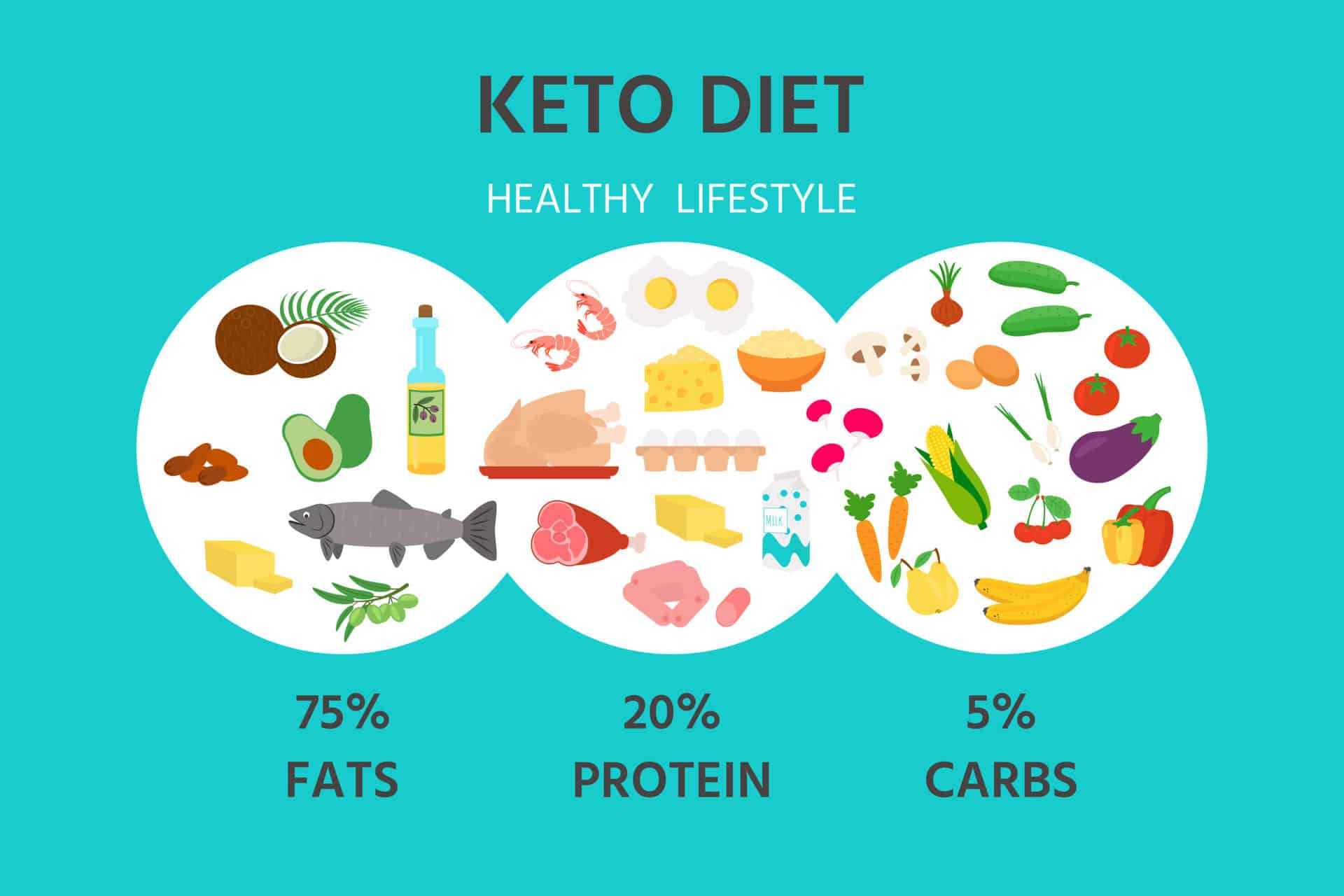
The ketogenic diet is a low carbohydrate, high-fat diet that has been shown to help reverse insulin resistance. The diet involves reducing carbohydrate intake to less than 50 grams per day and increasing fat intake. This causes the body to enter a state of ketosis, where it begins to burn fat for energy instead of glucose. Ketosis has been shown to improve insulin sensitivity, which helps the body to utilize insulin properly.
Research has shown that the ketogenic diet can help improve insulin sensitivity in both healthy individuals and those with type 2 diabetes. A study published in the journal Nutrition & Metabolism found that a low carbohydrate ketogenic diet improved insulin sensitivity in individuals with type 2 diabetes. Another study published in the journal Diabetes Therapy found that a ketogenic diet improved insulin sensitivity in overweight and obese individuals.
Carnivore Diet:
The carnivore diet is a diet that consists of eating only animal products, such as meat, fish, and eggs. The diet is high in fat and protein and low in carbohydrates. Although the carnivore diet is controversial, some studies have shown that it can help reverse insulin resistance.
A study published in the journal Nutrition & Diabetes found that a low carbohydrate, high protein diet improved insulin sensitivity in individuals with type 2 diabetes. Another study published in the journal Nutrients found that a high protein, low carbohydrate diet improved insulin sensitivity in overweight and obese individuals.
Conclusion:
Insulin resistance is a metabolic disorder that can lead to type 2 diabetes and other health problems. The ketogenic and carnivore diets have been shown to help reverse insulin resistance by improving insulin sensitivity. These diets involve reducing carbohydrate intake and increasing fat and protein intake. The ketogenic and carnivore diets are very effective strategies for improving insulin sensitivity and reversing insulin resistance.
Nutrition & Diabetes: Effects of a low carbohydrate, high protein diet on glycemic control and lipid profile in type 2 diabetes patients: A randomized controlled trial https://www.nature.com/articles/nutd201630
Seed oils are a type of vegetable oil that are extracted from the seeds of various plants, including sunflower, safflower, canola, soybean, and corn. We also must note that margarine and other butter substitutes fall into this category. While these oils are commonly used in cooking and food processing, there are a number of health risks associated with their consumption.
One of the main dangers of seed oils is their high concentration of omega-6 fatty acids, which are known to contribute to inflammation in the body. Inflammation is a major factor in many chronic diseases, including heart disease, cancer, and diabetes. Consuming too much omega-6 fatty acids can also lead to an imbalance in the ratio of omega-3 to omega-6 fatty acids in the body, which can further contribute to inflammation and other health problems.
In addition to their high omega-6 content, seed oils are also often processed using chemical solvents such as hexane, which can leave harmful residues in the final product. They may also be hydrogenated to increase their shelf life and improve their texture, which creates harmful trans fats.
When seed oils are heated to high temperatures, they undergo a series of chemical changes that can be harmful to human health. These changes include:
Oxidation: Heat can cause seed oils to oxidize, which results in the formation of harmful compounds such as free radicals and aldehydes. These compounds have been linked to inflammation, cancer, and other health problems.
Polymerization: When seed oils are heated, their molecules can combine to form polymers, which are large, complex molecules that can be difficult for the body to break down. These polymers can accumulate in the body and contribute to the development of chronic diseases.
Hydrolysis: High heat can also cause the hydrolysis of triglycerides, which are the main component of seed oils. This process can result in the formation of free fatty acids, which can be harmful to the body if consumed in large amounts.
Trans fats formation: Seed oils can also undergo partial hydrogenation when heated, which converts some of their unsaturated fatty acids into trans fats. Trans fats have been linked to heart disease, inflammation, and other health problems.
Overall, when seed oils are heated to high temperatures, they undergo chemical changes that can be harmful to human health. It’s best to use oils that are stable at high temperatures, such as coconut oil or ghee, for cooking and frying.
Another issue with seed oils is that they are often made from genetically modified (GM) crops, which have been engineered to resist herbicides and pests. While the safety of GM foods is still debated, some studies have suggested that they could have negative effects on human health and the environment.
The Safer Alternatives to Seed Oils
So, what are the best alternatives to seed oils? One option is to use oils that are high in monounsaturated and/or polyunsaturated fats, such as olive oil, avocado oil, or coconut oil. These oils are less likely to contribute to inflammation and have been shown to have a number of health benefits, including improving cholesterol levels and reducing the risk of heart disease.
Another alternative is to use animal-based fats, such as butter or ghee, lard, tallow or bacon grease which are high in saturated fat but are less likely to contribute to inflammation. While saturated fat has been demonized in the past, recent studies have suggested that it may not be as harmful as previously thought and may actually have some health benefits.
In summary, seed oils are dangerous due to their high concentration of omega-6 fatty acids, chemical processing methods, and potential for GM contamination. Choosing healthier alternatives such as olive oil, avocado oil, or animal-based fats will help reduce the risk of inflammation and promote overall health.
DiNicolantonio, J. J., & O’Keefe, J. H. (2018). Omega-6 vegetable oils as a driver of coronary heart disease: the oxidized linoleic acid hypothesis. Open Heart, 5(2), e000898. doi: 10.1136/openhrt-2018-000898 https://www.ncbi.nlm.nih.gov/pmc/articles/PMC6085833/
Lippi, G., & Mattiuzzi, C. (2016). Biological markers and natural antioxidants in cardiovascular diseases. Internal and Emergency Medicine, 11(3), 345-348. doi: 10.1007/s11739-016-1427-8 https://link.springer.com/article/10.1007/s11739-016-1427-8
Chemical Changes in Seed Oils when Heated:
Venancio, V. P., & Monteiro, M. (2019). Chemical Changes in Edible Oils during Heating: A Review. Journal of Food Science and Technology, 56(5), 2394-2403. doi: 10.1007/s13197-019-03732-8 https://www.ncbi.nlm.nih.gov/pmc/articles/PMC6490594/
Jeyarani, T., Kavitha, C., & Indira, K. (2015). Effect of Heating on Oils and Fats – A Critical Review. International Journal of Food Properties, 18(11), 2400-2417. doi: 10.1080/10942912.2014.971185 https://www.tandfonline.com/doi/abs/10.1080/10942912.2014.971185
Karak, T., & Bhagat, R. M. (2010). Physico-chemical properties, oxidation and fatty acid profile of Indian sesame (Sesamum indicum L.) oil and its blended oils. Journal of Food Science and Technology, 47(2), 142-145. https://www.ncbi.nlm.nih.gov/pmc/articles/PMC3551051/
Kim, H. J., & Shin, H. S. (2018). Effect of heating on physicochemical properties and antioxidant capacity of vegetable oils. Journal of Food Science and Technology, 55(7), 2755-2762. doi: 10.1007/s13197-018-3229-7 https://www.ncbi.nlm.nih.gov/pmc/articles/PMC6029852/



 Redneck Of Hi Tech