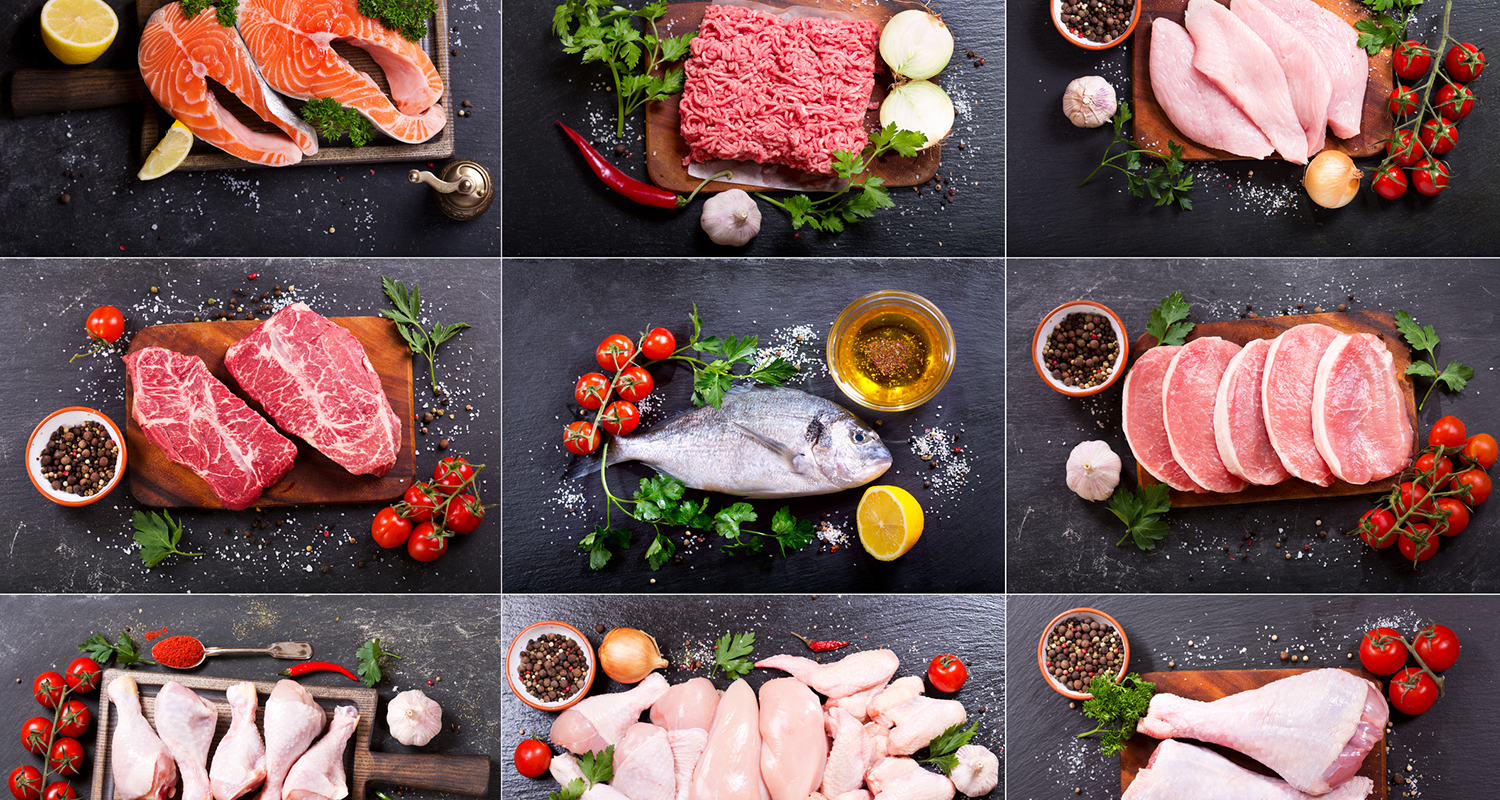
Anxiety and depression are two of the most common mental health disorders affecting millions of people worldwide. While there are several treatment options available, some people have reported success in managing these conditions by following a keto or carnivore diet. The keto diet, also known as the ketogenic diet, is a low-carbohydrate, high-fat diet that has gained popularity in recent years. The carnivore diet, on the other hand, is a diet that consists of only animal products, such as meat, eggs, and dairy. In this essay, we will explore the potential benefits of these diets for managing anxiety and depression.
Keto Diet and Anxiety/Depression
The keto diet has been shown to have potential benefits for people with anxiety and depression. The diet is low in carbohydrates and high in fats, which encourages the body to enter a state of ketosis. Ketosis is a metabolic state where the body burns fat for energy instead of glucose. This state can lead to a reduction in inflammation in the brain, which has been linked to anxiety and depression. In addition, the diet can also increase the levels of a neurotransmitter called GABA (gamma-aminobutyric acid), which is known for its calming effects. Research has shown that GABA levels are lower in people with anxiety and depression.
A study conducted in 2020 found that a low-carbohydrate, high-fat diet reduced symptoms of anxiety and depression in most adults. The study participants followed a keto diet for eight weeks and reported significant improvements in their mental health. Another study published in the Journal of Child Neurology in 2013 found that children with epilepsy who followed a keto diet had a significant reduction in their anxiety and depression symptoms, along with significant reduction in seizure episodes..
Carnivore Diet and Anxiety/Depression
The carnivore diet has also been shown to have potential benefits for people with anxiety and depression. The diet consists of only animal products, which are high in protein and fat. Protein is important for the production of neurotransmitters such as dopamine and serotonin, which are known to play a role in mood regulation. In addition, animal products are also rich in nutrients such as vitamin B12, which is important for brain health.
While there is limited research on the effects of the carnivore diet on mental health, anecdotal evidence suggests that some people have experienced improvements in their anxiety and depression symptoms after following the diet. For example, Mikhaila Peterson, the daughter of psychologist and author Jordan Peterson, reported a significant reduction in her depression and anxiety symptoms after following a carnivore diet.
Sources:
- Paoli, A., & Tinsley, G. (2020). The ketogenic diet and mental health: A systematic review. Journal of Insulin Resistance, 5(1), a69.
- Sussman, D., van der Veen, J. W., & Dinoff, A. (2013). A novel dietary intervention to optimize brain health: Implications for the field of developmental disabilities. Journal of Child Neurology, 28(8), 1008-1014.
- Peterson, M. (n.d.). My Health Story. Retrieved February 15, 2023, from https://liondiet.com/my-story/
While the mechanisms by which the ketogenic and carnivore diets may alleviate anxiety and depression are not yet fully understood, there is evidence to suggest that they can be effective for most people. It is important to consult with a healthcare professional before starting any new diet, especially if you have a pre-existing medical condition.
If that health care professional knows nothing about the role of nutrition and a proper human diet being used to remedy these mental conditions, and insists that they will not work and that a pill is the only way to alleviate your problems ….. you might want to fire that health care professional and find a new one that is knowledgeable in actual nutrition. There are many others that are actually studying the science behind this and are actually on board with the idea of using diet to reverse many personal health care problems.
 Redneck Of Hi Tech